



IPL 2026 New Rules: Only 16 Players Allowed on the Boundary — Here’s What Changed
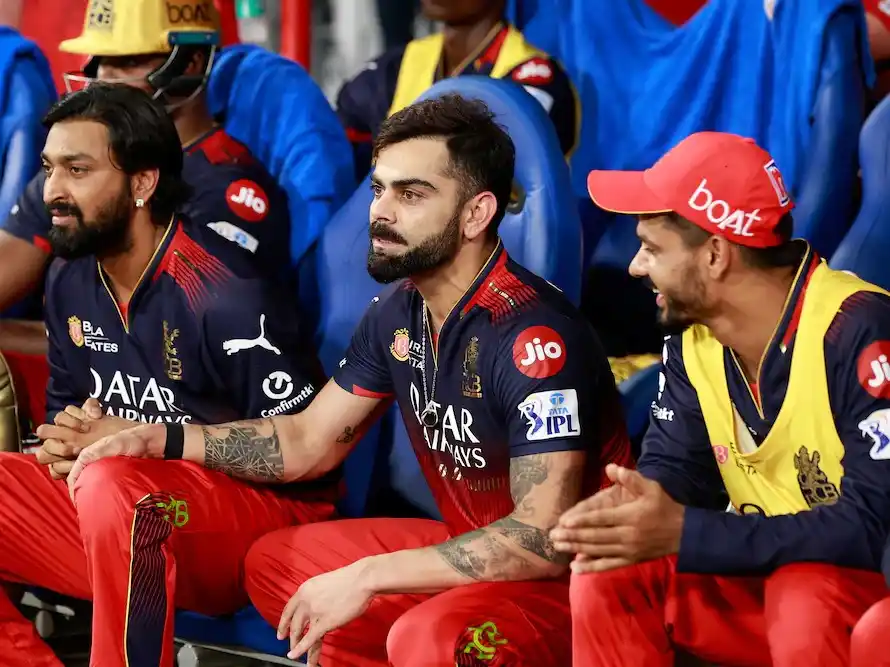
BCCI rolled out a significant mid-season directive ahead of IPL 2026. Under the updated playing conditions, bench players can no longer wander the boundary during a live match. Only the 16 names on the official team sheet get access to the playing field — no exceptions.
This applies to drinks runs, bat changes, and any mid-game messaging. If your name isn’t in those 16, you stay in the dugout. Team management received the directive recently, though BCCI hasn’t issued a formal public statement explaining the timing.
IPL Bench Players Rules During a Match — And Why Most Teams Didn’t Expect This
A standard IPL squad carries around 25 players. For any given match, 16 get named on the team sheet. The rest? They’re dugout-bound now.
Previously, squad members not on the team sheet could float near the boundary — handing over drinks, relaying messages, fetching gear. That’s gone. One team source confirmed the directive arrived mid-tournament, catching support staff off guard.
A team official, speaking without attribution, confirmed it bluntly: substitute players aren’t allowed on the field during play, and drinks duties are no longer theirs to handle.
The BCCI Substitute Player Boundary Rule Nobody Saw Coming
Here’s the specific limit that’s now in force. At any point during a match, a maximum of five players wearing bibs — the substitute fielder vests — can be near the boundary rope. That’s it. Five.
These five handle two things: returning balls that cross the boundary, and carrying drinks during official breaks. Nobody outside that five-person group gets to step into that zone.
This isn’t a brand-new concept dreamed up for 2026. It’s a sharper enforcement of two clauses that already existed in the Match Playing Conditions document.
MPC Clause 11.5.2 covers drinks delivery — it already restricted when and how players could bring refreshments onto the field. The enforcement of timing and eligibility gets tougher now.
MPC Clause 24.1.4 is the one that mandates bibs. Any player who isn’t part of the playing XI and isn’t acting as a designated substitute fielder must wear a training bib if they’re anywhere near the field. This clause now has real teeth.
Why IPL 2026 Player Movement Restrictions Were Actually Introduced
BCCI hasn’t confirmed which reason drove this — or whether all three did. But three explanations are doing the rounds among team management and analysts.
- Match pace was slipping. Constant drinks runs and message deliveries were chewing into over rates. Slowing a game down this way doesn’t look good on camera and adds up across 74 matches.
- Sideline coaching was getting out of hand. Non-playing squad members near the boundary had a clear line of sight to the pitch. Passing tactical signals — legally or not — becomes much easier when ten extra players are hovering 10 metres from the rope.
- Crowd and security management. Fewer bodies moving along the boundary makes monitoring simpler. Less chaos at the rope, better camera angles, cleaner broadcast.
The most compelling reason, honestly, is the second one. Live coaching through substitute players is a grey area in every cricket format — and IPL, with its high stakes and enormous coaching staff, is exactly where that line gets pushed hardest.
Where IPL 2026 Stands Right Now
Fifteen of the season’s 74 matches are done. The 16th fixture — Rajasthan Royals vs Royal Challengers Bengaluru — was scheduled for April 10 in Guwahati, with a 7:30 PM start. This update was first reported by Cricbuzz.
The IPL Rule Changes That Already Rewrote How the Game Is Played
IPL has a track record of rule changes that sound minor and turn out to be anything but. The Impact Player rule, introduced in 2023, completely reshuffled batting strategy — teams now build lineups assuming they’ll get an eleventh effective batter or bowler mid-game.
Slow over-rate penalties hit captains directly. DRS for no-balls and wides added another layer of scrutiny. Each change sounded procedural. Each one ended up mattering more than expected.
This boundary restriction follows that same pattern. A logistical tweak on paper — but one that removes a tool teams have quietly relied on for years.
Frequently Asked Questions
A maximum of five players wearing substitute bibs can be positioned near the boundary rope at any time. Only players listed on the 16-man team sheet can access the field at all — the remaining squad members must stay in the dugout for the entire match.
Three reasons are being cited: improving over rates, preventing sideline coaching from non-playing staff and players, and simplifying boundary security management. BCCI hasn’t officially confirmed which factor drove the decision. Of the three, the coaching angle is the one most coaches are paying attention to — it closes a loophole that’s existed since T20 cricket scaled up.
Clause 11.5.2 of the Match Playing Conditions governs when drinks can be brought onto the field and who’s authorised to carry them. It sets time restrictions on drinks breaks and specifies that only eligible players can serve as drinks carriers. Under the new IPL enforcement, that eligibility is now limited to those within the 16-player team sheet who are also wearing bibs. Anyone outside that group can’t carry drinks regardless of their squad status.
Yes, meaningfully so. In Test cricket, substitutes can field freely as long as the reason is injury or illness and the umpires approve. There’s no bib requirement limiting their number near the boundary. IPL’s version is stricter — it caps the number at five regardless of circumstance, and restricts boundary access to the 16-player team sheet entirely. The IPL version prioritises pace of play over flexibility.
The playing conditions don’t spell out a specific, published penalty for this infraction — at least not publicly. That’s a gap worth watching as the season develops. Typically, MPC violations in IPL get flagged by the on-field umpires and escalate to the match referee. Teams found repeatedly violating playing conditions risk fines under the ICC Code of Conduct, which IPL adopts with its own modifications. Right now, the deterrent is compliance, not a clearly stated sanction.









Leave a comment